
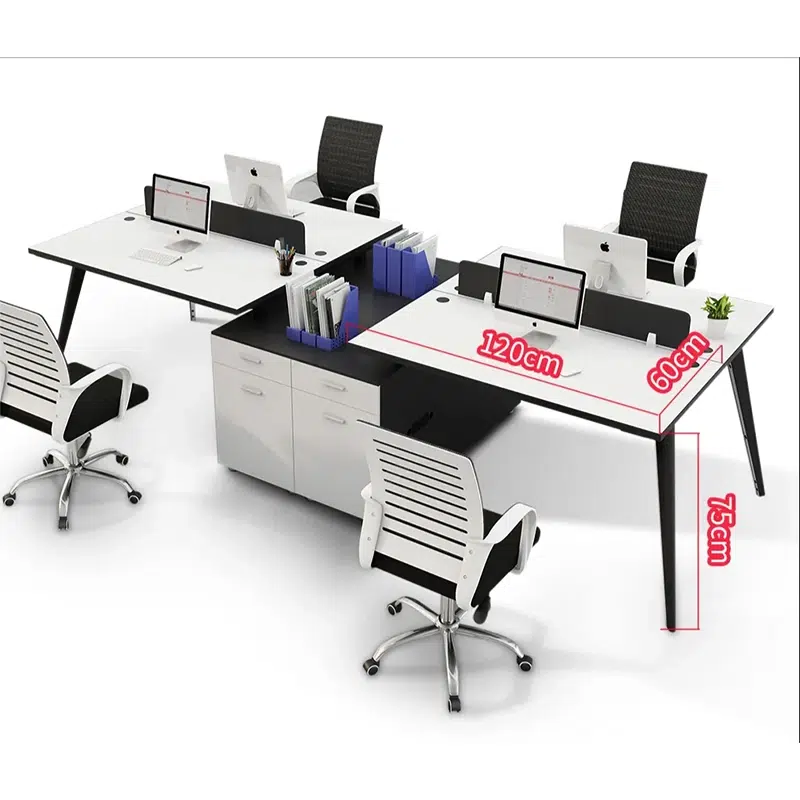
Latest workstation furniture mainly focuses on blending ergonomics, modularity, and also technology integration to boost productivity plus comfort. Main trends include height adjustable desks, cable management systems, and also flexible, space saving layouts, with 2025/2026 designs emphasizing employee well being. Main choices include linear, L-shaped, along with collaborative team stations.
Key Trends and Design Principles (2025-2026):
Ergonomics First: Adjustable desks and chairs with lumbar support are essential to minimize injury risk plus enhance comfort.
Modular and Scalable: Flexible, modular setups allow businesses to easily rearrange or expand workspaces as teams grow, offering high flexibility.
Tech Ready Features: Modern workstations now include built in charging ports, IoT enabled desks, and also efficient cable management to maintain a fresh environment.
Space Optimization: Solutions like benches or linear, L-shaped, and also privacy focused office workstations optimize available floor space.
Collaborative vs. Private: Designs vary from open plan team tables to workstations with acoustic panels for focus, supporting varied workflows.
A Few Common Office Workstation Types:
- Linear Workstations: Arranged in rows, these are ideal for optimizing long office walls and promoting team collaboration.
- L-Shaped Desks: Ideal for providing extra desk surface as well as storage space.
- Modular Team Workstations: Large desks often used in departments, allowing for easy, quick reconfiguration.
Key Considerations for Selection:
- Space Measurement: Evaluate the area size first to ensure the furniture fits without overcrowding.
- Functionality & Storage: Choose workstations that offer enough desk surface and built in storage (shelves, cabinets) for specific job roles.
- Material Quality: Invest in durable materials like engineering wood or powder coated metal frames.


