
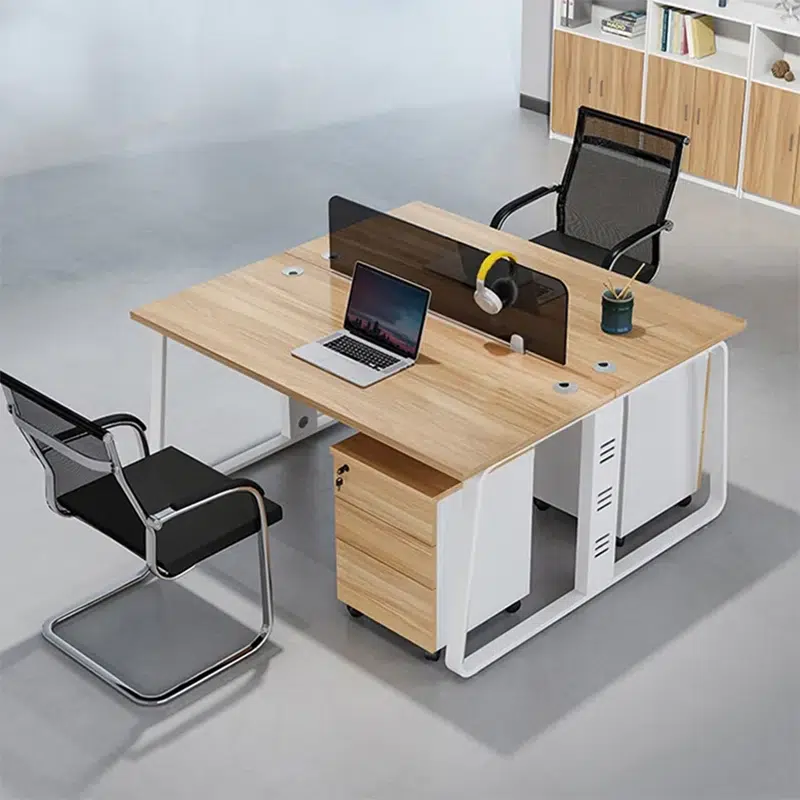
Quality interior design is necessary because it elevates functionality, elevates attractive charm, and also precisely enhances physical as well as mental health by making protected, pleasant, and comfy, in cases of efficient design, high value workspaces. It always optimizes office space for particular purposes such as productivity or relaxation while reflecting your personal favorite fashionable style and also boosts daily working life.
Here is Why Quality Interior Design is Important:
Elevate Happiness and Mental Health: A well decorated designed, beautifully organized, and also attractively delightful working environment decreases stress and also stimulates peace, remarkably affect inside mental wellness.
Boosts Functionality plus Productivity: Quality design goes beyond aesthetics to make sure office working spaces are well suited to their purpose, such as boosting tremendous workflow in an office workplace or constructing a comfortably relaxing bedroom.
Improves Lifestyle plus Efficiency: Remarkably well thoughtful design may boost efficiency, specially in home offices, by providing a customized surroundings that limits interruptions and aids concentration.
Boosts Property Value: A well-thought-out, well-maintained interior greatly raises a property’s resale value.
Encourages Safety and Sustainability: Well-thought-out interior design takes into account lighting, traffic flow, and materials to guarantee lifespan and safety, making the house safer and more useful.
Facilitates Self-Expression: By carefully choosing colors, furnishings, and materials, interior design produces a unique setting that expresses your individuality and improves your relationship with your surroundings.
By adjusting lighting, color, layout, and texture, good interior design which has its roots in environmental psychology—shapes emotions and behaviors to lessen stress and improve wellbeing. Using natural light, ergonomic flow, and organic shapes to promote productivity or relaxation, thoughtful design strikes a balance between practicality and aesthetic comfort.
- Impact of Color: Moods are directly impacted by color. Yellow boosts happiness and vitality, green offers a healing, natural vibe, while blue frequently encourages serenity and concentration.
- The Power of Light: Improving mood, vitality, and sleep quality all depend on natural light. Warmth, intimacy, and depth are produced by layered lighting (ambient, task, and accent).
- Spatial Layout & Flow: Well-arranged furniture lessens stress, lowers cognitive strain, and enhances usability. A well-thought-out, clutter-free layout guarantees that a room feels spacious and accessible.
- Shapes & Texture: Curved and organic furniture shapes can add a sense of security, coziness, and luxury to a space. A feeling of coziness and comfort is produced by soft textures like cushions and rugs.
- Biophilic Design: Including natural components like wood, plants, and natural light improves wellbeing and lowers anxiety.
Aesthetically pleasing places are frequently what come to mind when we think of interior design. But when we look more closely, we find that a space’s utility and design can have a significant impact on how we feel and act.
What is The Relationship Between Interior Design and Psychology?
Whether it is your house, workplace, or favorite restaurant, interiors are places where we all live, work, and play. These interior spaces can affect our daily lives and behavior, from creating a calm and serene home to creating a productive and cooperative workplace.
Any project involving interior design or renovation must first take the user’s experience into account. From a psychological standpoint, interior design is associated with the development of a particular mood. A skilled interior designer will be able to create a particular atmosphere or vibe; all they need to do is learn how to achieve it.


