
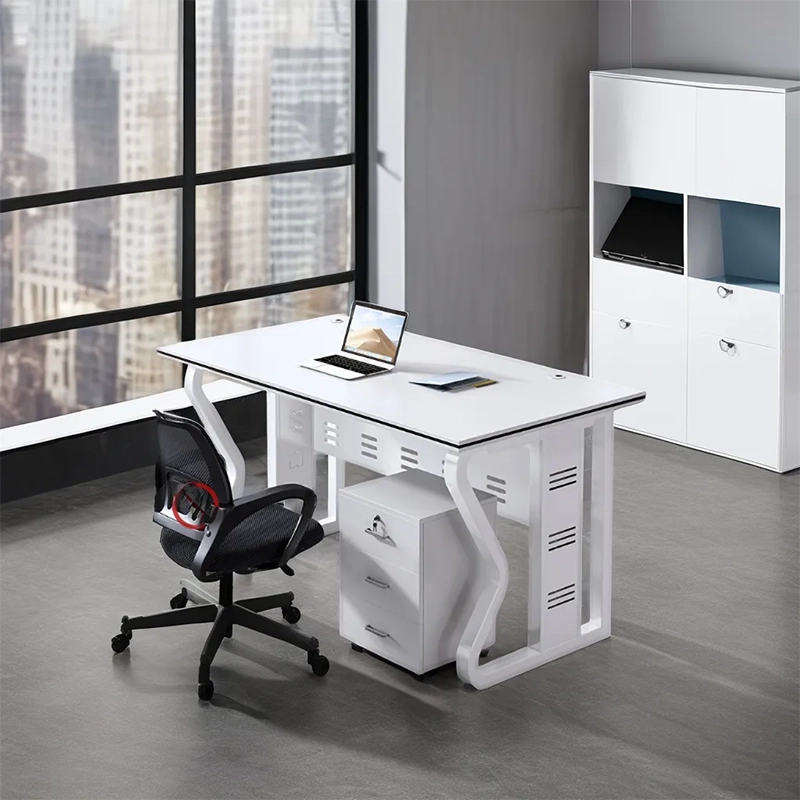
Comprehending furniture types is crucial to designing unified and welcoming spaces. Furniture designs highlight the distinctive qualities of many historical periods and geographical areas by reflecting cultural and historical backgrounds. We will examine various furniture styles in this book, ranging from classical to contemporary, and provide helpful advice for incorporating them into your designs. Our extensive interior design course offers in-depth information and insights to improve your design abilities if you are eager to learn more about these trends.
Popular Styles: Recognize the essential elements of popular furniture styles, such as Industrial, Contemporary, and Mid-century Modern, and learn how to apply them into your design.
Combining designs: Focus on complementing features like color, texture, or shape to successfully combine several furniture designs.
Functionality Meets Aesthetics: Select furniture that satisfies the space’s utilitarian requirements while also being aesthetically beautiful.
You may build distinctive, useful, and aesthetically beautiful places that showcase your own taste and creative prowess by learning and mastering different furniture designs.
The Development of Interior Furniture Design:
From the practical items of ancient civilizations to the elaborate designs of later eras and the modern styles, furniture design has seen tremendous change. Furniture trends have always been impacted by technological developments, from the use of novel materials to creative manufacturing methods. Interestingly, trends in furniture design frequently exhibit a cyclical pattern, with current revivals of classic patterns.
Traditional Styles:
Ancient Greek and Roman architecture, which is renowned for its symmetry, proportion, use of columns, and elaborate carvings, serves as the model for classical furniture. Furniture became more ornamental during the Renaissance and Baroque eras, with elaborate detailing, curves, and gilded accents. Neoclassicism, a timeless favorite, originated in the 18th century and returned to the beauty and simplicity of Greek and Roman styles. It is distinguished by symmetry, clear lines, and sparse adornment.
Conventional Styles:
Traditional furniture spans a number of historical eras, each having distinctive features:
Victorian-era furniture is distinguished by its thick upholstery, intricate carvings, and dark woods.
Edwardian Style: Increased comfort, simpler patterns, and brighter colors were all part of this formal style.
Georgian design, which frequently uses satinwood and mahogany, is characterized by symmetry, balanced proportions, and subtle beauty. It is inspired by classical ideas.
Country & Rustic Styles: These designs create feelings of coziness and cosiness.
French Country Style: Blends rustic features with sophisticated accents like flowery patterns, soft pastels, and distressed wood.
Farmhouse Chic: Made popular by its emphasis on practicality and simplicity, this style makes use of natural materials like metal and wood that have been distressed.
Cottagecore: A recent trend, cottagecore romanticizes rural living with vintage furnishings, floral prints, and handmade accents.
Art movements have profoundly shaped furniture design:
Art Nouveau: Known for its flowing lines and natural forms, introduced organic shapes and motifs.
Art Deco: Emerged in the 1920s, celebrated luxury and modernity with bold geometric patterns, rich colors, and sleek materials like chrome and glass.
The Bauhaus movement: With its “form follows function” philosophy, emphasized simplicity, practicality, and the use of industrial materials, influencing modern design principles.
Mid-Century Modern: With its emphasis on utility, organic curves, and clean lines, mid-century modern furniture is still in style today. Famous designers like Arne Jacobsen, Eero Saarinen, and Charles and Ray Eames produced classic pieces that combine comfort and flair. With its focus on inventive materials and simplicity, this style has seen a comeback in modern interior design. It is frequently combined with other styles to create a new, eclectic effect.
Scandinavian Design: Natural materials and bright, airy rooms are key components of Scandinavian design, which also emphasizes simplicity, minimalism, and utility. This style has gained international recognition because to well-known designers like Arne Jacobsen and Alvar Aalto as well as companies like IKEA. A fundamental component of Scandinavian aesthetics is the incorporation of hygge, or the creation of a warm, welcoming atmosphere, which is frequently accomplished with soft textures, warm lighting, and neutral color schemes.
Industrial Style: Raw elements like exposed brick, metal, and wood are embraced in industrial style, which has its roots in the functional aesthetics of factories and warehouses. Open floor plans, practical lighting, and a blend of modern and historical pieces are important aspects. A cozy, lived-in atmosphere can be produced by counterbalancing these rough components with softer textures like cushions or rugs.


