
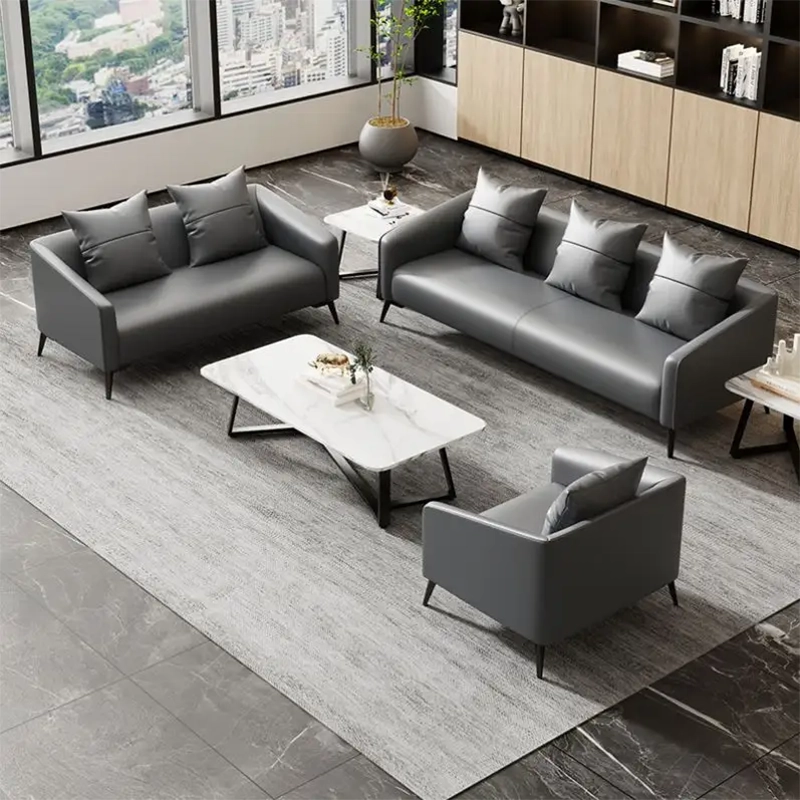
Interior design is the art plus science of enhancing the interior of a building to create a healthier, more functional, and more aesthetically pleasing environment for the people using the space. It goes beyond decoration to include space planning, conceptual development, and also technical execution, often in collaboration with architects as well as engineers.
Based on 2025–2026 market analysis, several interior design firms in Bangladesh are recognized as leaders due to their innovative designs, project management capability, and also competitive pricing.Considered a top pioneer, often ranked number one, with a strong focus on sustainable, biophilic, along with contemporary designs for high-end residential, corporate, and commercial projects.
Recognized as a leader in providing fresh, cost-effective, and smart interior solutions, particularly for apartments and offices. A top contender with a large, in-house team (20+ employees) that offers end-to-end turnkey solutions and operates a large experience center.
Leading with a focus on sustainable, award-winning designs and over a decade of experience. Recognized for providing one-stop, vibrant, and thematic design solutions, often managing both residential and large-scale commercial projects. A leading firm focused on tailored residential and commercial designs, known for quality craftsmanship. A new-generation, mid-sized firm known for pioneering online design consultation, making professional design more accessible and affordable.
Providing design, procurement, and execution in one package. Using eco-friendly materials and advanced 3D visualization to simulate spaces. Offering “smart” solutions that balance luxury with budget constraints. Focusing on specific sectors like high-end apartments, corporate offices, or hospitality.
7 Basic Principles :
Designers use these core principles to ensure a cohesive and balanced look:
- Balance: Distributing visual weight evenly (symmetrical, asymmetrical, or radial).
- Unity and Harmony: Ensuring all elements work together as a cohesive whole.
- Rhythm: Creating patterns through visual repetition of forms or colors.
- Proportion and Scale: Ensuring objects fit appropriately within the space.
- Emphasis: Establishing a focal point (e.g., a fireplace or a bold piece of art).
- Contrast: Using opposing elements (like black and white) to add interest.
- Details: Fine-tuning the small elements that pull a room together.
Popular Interior Design Styles :
Current styles often blend functionality with personal expression:
- Modern: Focuses on clean lines, simple forms, and “form follows function”.
- Contemporary: A fluid style that reflects current trends and changes over time.
- Minimalist: Follows the “less is more” philosophy, emphasizing light and open space.
- Industrial: Features raw materials like exposed brick, metal, and wood.
- Bohemian: A carefree, eclectic style with vibrant colors and layered textures.
- Scandinavian: Focuses on simplicity, functionality, and maximizing natural light.
- Transitional: A popular mix of traditional comfort with contemporary sleekness.
Modern Trends for 2026:
- Moody Spaces: A shift away from all-white interiors toward darker, saturated tones and tonal color schemes.
- Soft Brutalism: A “more livable” version of brutalism using plaster, warm palettes, and human-scaled proportions.
- Open Kitchens: Increasing popularity of integrated, social kitchen spaces.
- AI Tools: Rapid growth in AI-powered design tools like Planner 5D and Floorplanner for 3D modeling and space planning.
Are you looking for inspiration for a specific room (like a kitchen or bedroom), or would you like to explore how to apply a particular style?


